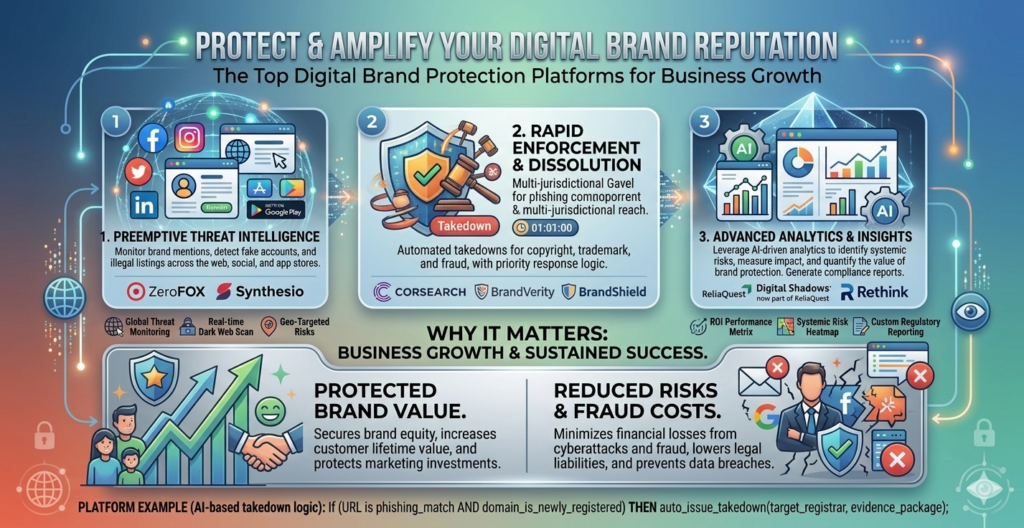
In today’s hyper-connected world, a company’s reputation can be shaped or shattered almost instantly online. From social media chatter to counterfeit websites, the digital landscape both empowers and threatens brands. As businesses expand their digital footprint, safeguarding their brand’s identity and reputation becomes not just a best practice but an absolute necessity. This is where digital brand protection platforms come into play. These platforms offer a comprehensive suite of tools to monitor, manage, and defend a business’s brand assets, ultimately supporting sustainable business growth.
Why Digital Brand Protection Matters in the Modern Era
The proliferation of digital channels has amplified the ways brands can reach customers—but it has also increased the risk of brand abuse. Issues such as trademark infringement, online impersonation, phishing, counterfeiting, and negative reviews can rapidly erode consumer trust. According to a report from the Organization for Economic Co-operation and Development (OECD), the value of imported counterfeit and pirated goods was estimated at over $464 billion in 2019—almost 2.5% of global trade.
Moreover, the impact extends beyond financial losses. A single damaging incident online can harm a brand’s reputation for years, affecting customer loyalty, investor confidence, and employee morale. That’s why businesses are increasingly turning to digital brand protection platforms as a strategic investment, not just a defensive measure.
Core Functions of Digital Brand Protection Platforms
Digital brand protection platforms integrate a variety of technologies and processes to protect brands in the online space. Their core functions typically include:
- Monitoring: Scanning the internet, social media, e-commerce sites, and app stores for unauthorized use of trademarks, logos, and brand names.
- Detection: Identifying threats such as counterfeit products, copyright violations, phishing attacks, and reputation-damaging content.
- Enforcement: Facilitating takedown requests, cease-and-desist communications, and legal actions when infringements are detected.
- Reporting: Providing detailed analytics and reports to help businesses understand the scope and nature of brand threats.
By leveraging these features, organizations gain real-time visibility into potential risks and can act swiftly to mitigate them.
Key Features to Look for in Digital Brand Protection Platforms
Not all digital brand protection platforms are created equal. When evaluating your options, consider the following key features:
- Comprehensive Coverage: The platform should monitor a wide array of online channels, including websites, social media, marketplaces, domain registrations, and mobile apps.
- AI and Machine Learning: Advanced platforms employ AI to identify emerging threats, analyze patterns, and reduce false positives, improving both efficiency and accuracy.
- Automated Takedown Processes: Speed is critical in brand protection. Platforms that automate the takedown of infringing content offer a significant advantage.
- Customizable Alerts and Dashboards: Real-time, customizable notifications ensure that critical incidents receive prompt attention.
- Integration Capabilities: The ability to integrate with existing security, legal, or marketing systems enhances workflow efficiency.
- Legal Support: Some platforms offer in-house legal expertise or partnerships with law firms to streamline enforcement and litigation.
Understanding these features can help organizations select a platform that aligns with their unique risk profile and business objectives.
Leading Digital Brand Protection Platforms Transforming Brand Security
As the demand for robust online protection grows, several digital brand protection platforms have distinguished themselves through innovation and effectiveness. While this article does not endorse specific vendors, it is valuable to highlight the types of solutions available and what sets leading platforms apart.
MarkMonitor
MarkMonitor, a pioneer in the field, is known for its comprehensive monitoring and enforcement capabilities. The platform covers domain management, anti-counterfeiting, and fraud prevention across global digital channels. MarkMonitor leverages machine learning to prioritize threats and streamline the takedown process, making it suitable for large enterprises with expansive online presences.
BrandShield
BrandShield stands out for its advanced threat detection and AI-powered analytics. The platform specializes in monitoring social media, online marketplaces, and phishing sites, offering tailored solutions for both B2B and B2C brands. Its ability to provide actionable intelligence and automated enforcement helps businesses quickly address emerging threats.
Red Points
Red Points is recognized for its automation-driven approach to combating counterfeiting, piracy, and distribution abuse. Its cloud-based system scans millions of data points daily, enabling rapid identification and removal of infringing content. Red Points’ user-friendly dashboards and comprehensive reporting make it accessible to organizations of all sizes.
ZeroFox
ZeroFox offers a broad suite of digital risk protection services, including brand protection, executive protection, and threat intelligence. Its platform is designed to detect impersonation, data leakage, and malicious activity across social media and digital channels. ZeroFox’s integration with security operations centers (SOCs) supports a holistic approach to digital risk management.
These examples illustrate the diversity and sophistication of digital brand protection platforms, each catering to different industries, risk appetites, and operational needs.
Practical Benefits of Digital Brand Protection for Business Growth
Investing in digital brand protection platforms goes beyond risk management; it is a catalyst for business growth. Here’s how:
- Preserving Customer Trust: Consistent brand representation and swift removal of fake or malicious content bolster consumer confidence.
- Protecting Revenue Streams: Counterfeit products and unauthorized sellers can siphon off legitimate sales. Platforms that quickly remove infringing listings help sustain revenue.
- Enhancing Market Positioning: A well-protected brand is seen as more reliable and professional, which can attract new customers and partners.
- Supporting Innovation: By reducing the risk of IP theft, companies are more willing to invest in new products and market expansion.
- Reducing Legal Costs: Automated enforcement and early detection lower the likelihood of protracted legal battles, saving both time and money.
These benefits demonstrate the strategic value of digital brand protection platforms in a holistic business strategy.
Challenges and Considerations for Implementation
While the advantages are clear, businesses may encounter challenges in deploying digital brand protection platforms. Common considerations include:
- Resource Allocation: Effective brand protection requires ongoing commitment from legal, IT, and marketing teams.
- Balancing Automation and Human Oversight: While automation increases efficiency, human expertise is essential for nuanced decision-making and escalation.
- Global Reach: Brands operating internationally must navigate varying legal frameworks and enforcement mechanisms.
- Cost Considerations: The investment in digital brand protection platforms should be weighed against the potential losses from brand abuse.
Successful implementation involves cross-functional collaboration, clear policies, and regular reassessment of threats and platform capabilities.
The Future of Digital Brand Protection
As digital threats evolve, so do the tools and strategies for combating them. The future of digital brand protection platforms will likely see greater integration with AI, predictive analytics, and cyber threat intelligence. Continuous improvements in data processing and automation will enhance real-time response capabilities, making it easier for businesses to stay ahead of adversaries.
Moreover, as more consumers demand transparency and ethical business practices, strong digital brand protection will become a key differentiator in the market. Businesses that proactively safeguard their online reputation will not only mitigate risk but also create new opportunities for growth and innovation.
Conclusion
In a rapidly changing digital landscape, brand integrity is more fragile—and more valuable—than ever before. Digital brand protection platforms have become essential tools for businesses seeking to defend their reputation, secure their intellectual property, and enable sustainable growth. By understanding their capabilities, choosing the right platform, and fostering a culture of vigilance, organizations can turn brand protection into a strategic advantage. Investing in these platforms is not just about shielding against threats; it’s about unlocking the full potential of your brand in the digital age.